Plan your visit
Immerse yourself in two million years of human history, art and culture.
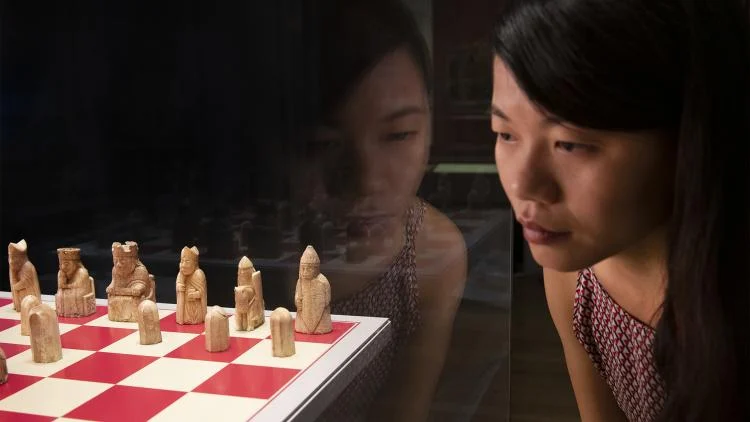
Book your free ticket for Museum entry in advance to receive key information and updates before your visit and priority entry during busy periods. In our galleries come face-to-face with objects from the Sutton Hoo ship burial, explore the wonderful collection of the Islamic world and learn more about Egyptian mummies. Please see the list of available galleries to visit.
Exhibition tickets are available to book for:
- Hawaiʻi: a kingdom crossing oceans (15 January – 25 May 2026)
Occasionally we may need to close galleries at short notice. We regret that we are not always able to alert visitors in advance of their visit.
We look forward to welcoming you.
Opening times
Daily: 10.00–17.00 (Fridays: 20.30)
The Museum is closed 24–26 December.
Ways to explore
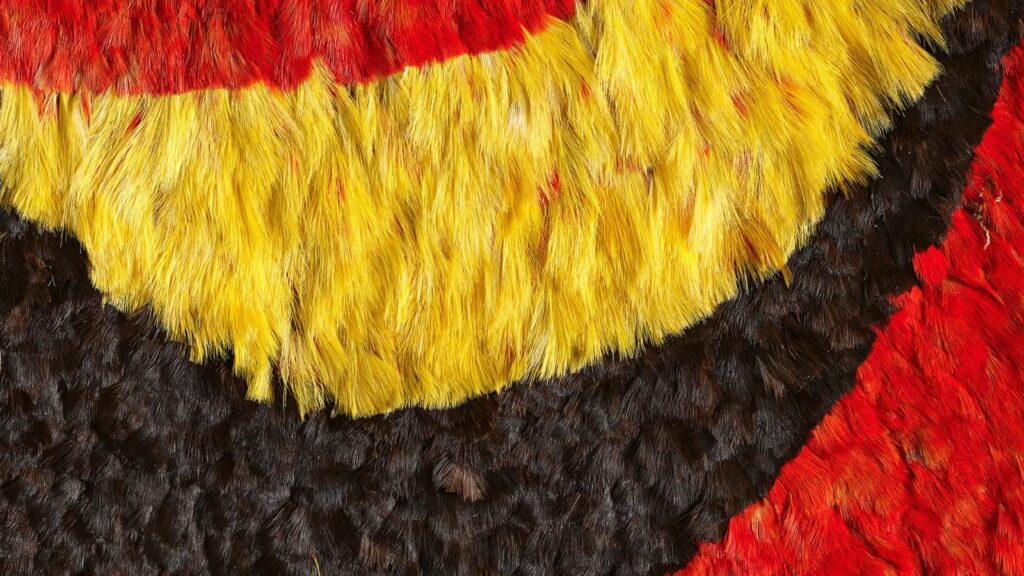
Discover our latest exhibitions and events, including ‘Hawai’: a kingdom crossing oceans’.
Tours and talks
From ancient Egypt to the Americas, get to know more about the collection on a tour, at a talk or via one of our Hands on desks.
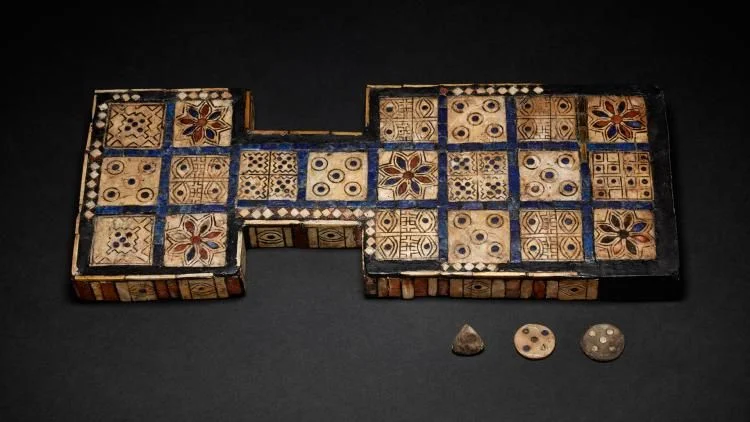
Choose a trail and go on your very own fascinating tour around the Museum. Each tour showcases some of our spectacular objects on display.
Gallery information
Explore world cultures from the Mediterranean to the Middle East and from the Americas to Africa.
- View a map of the Museum.
- Explore more of the Museum with our object trails
See the list of available galleries for you to enjoy (please note this list is subject to change):
Lower floor
- Room 25: Africa (The Sainsbury Galleries)
Ground floor
- Great Court
- Room 1: Enlightenment
- Room 2: Collecting the world
- Room 2a: The Waddesdon Bequest (funded by The Rothschild Foundation)
- Room 4: Egyptian sculpture
- Room 6: Assyrian sculpture and Balawat Gates*
- Rooms 7–8: Assyria: Nimrud*
- Room 9: Assyria: Nineveh*
- Room 10: Assyria: Lion hunts, Siege of Lachish and Khorsabad*
- Room 12: Greece: Minoans and Mycenaeans (The Arthur I Fleischman Gallery)
- Room 13: Greece 1050–520 BC
- Room 14: Greek vases
- Room 15: Greece: Athens and Lycia
- Room 16: Greece: Bassai sculptures
- Room 17: Nereid Monument
- Room 18: Greece: Parthenon
- Room 19: Greece: Athens
- Room 20: Greeks and Lycians, 400–325 BC
- Room 21: Mausoleum of Halikarnassos
- Room 22: The world of Alexander
- Room 23: Greek and Roman sculpture
- Room 24: Living and Dying (The Wellcome Trust Gallery)
- Room 26: North America
- Room 27: Mexico
Upper floors
- Room 33: China and South Asia (Sir Joseph Hotung Gallery)
- Room 33a: India: Amaravati (The Asahi Shimbun Gallery)
- Room 33b: Chinese jade (The Selwyn and Ellie Alleyne Gallery)
- Rooms 38–39: Clocks and watches (The Sir Harry and Lady Djanogly Gallery)
- Room 40: Medieval Europe, 1050–1500 (The Sir Paul and Lady Ruddock Gallery)
- Room 41: Sutton Hoo and Europe, AD 300–1100 (The Sir Paul and Lady Ruddock Gallery)
- Rooms 42–43: The Islamic world (The Albukhary Foundation Gallery)(Opens in new window)
- Room 46: Europe 1400–1800
- Room 47: Europe 1800–1900
- Room 48: Europe 1900 to the present
- Room 49: Roman Britain (The Weston Gallery)
- Room 50: Britain and Europe 800 BC–AD43
- Room 51: Europe and Middle East, 10,000–800 BC (The Sheikh Zayed Bin Sultan Al Nahyan Gallery)
- Room 52: Ancient Iran (The Rahim Irvani Gallery)
- Room 53: Ancient South Arabia
- Room 54: Anatolia and Urartu, 7000–300 BC
- Room 55: Mesopotamia, 1500–539 BC
- Room 56: Mesopotamia, 6000–1500 BC
- Rooms 57–59: Ancient Levant
- Room 61: Egyptian life and death: the tomb-chapel of Nebamun (The Michael Cohen Gallery)
- Rooms 62–63: Egyptian death and afterlife: mummies (The Roxie Walker Galleries)
- Room 64: Early Egypt
- Room 65: Sudan, Egypt and Nubia
- Room 66: Ethiopia and Coptic Egypt
- Room 67: Korea (The Korea Foundation Gallery)
- Room 68: Money
- Room 69: Greek and Roman life
- Room 70: Roman Empire (The Wolfson Gallery)
- Room 71: Etruscan world
- Room 72: Ancient Cyprus (The A.G. Leventis Gallery)
- Room 73: Greeks in Italy
- Rooms 90–90a: Prints and drawings displays
- Rooms 92–94: Japan (The Mitsubishi Corporation Japanese Galleries)
- Room 95: Chinese Ceramics – Sir Percival David Collection (The Sir Joseph Hotung Centre for Ceramic Studies)
*Limited opening: Rooms 7, 9, 10, 19, 20, 57 and 58 are open 11.00–15.00 daily.
Galleries in the Museum may be closed for maintenance, refurbishment or private events. Where possible, we’ll list the time and date of the closures below. All planned closures will also be detailed on the affected gallery pages. Occasionally we may need to close galleries at short notice for safety reasons. We regret that in these cases we’re not always able to alert the public in advance.
Due to Museum events the Reading Room will be closed on Wednesday 3 December, 10.00–12.30.
Due to regular maintenance, the following galleries will be temporarily closed:
Lower floor
Exhibitions
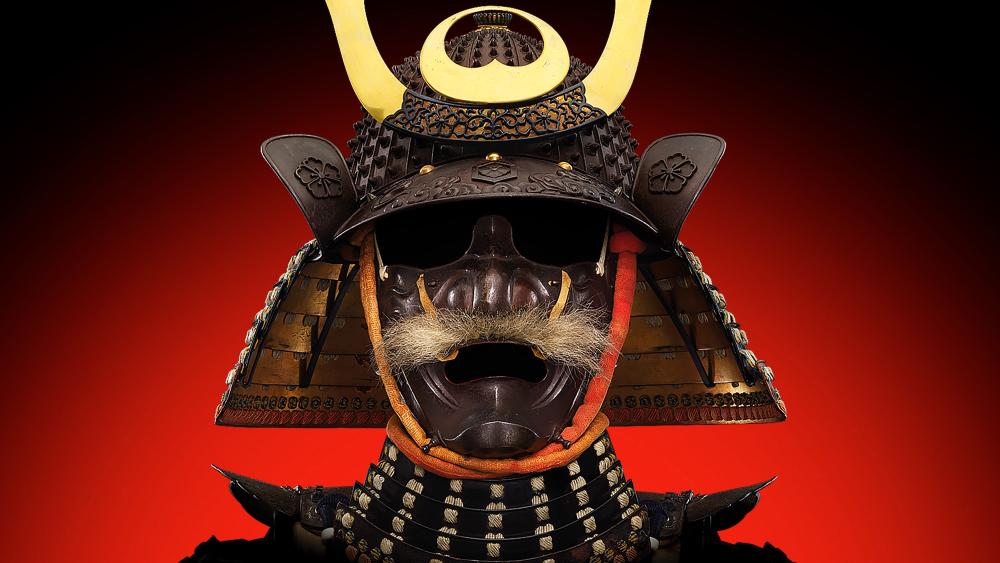
Tickets are available to book for Hawaiʻi: a kingdom crossing oceans (15 January – 25 May 2026) and Samurai (3 February – 4 May 2026).
Entering the Museum
- You are advised to book a free ticket in advance of your visit for your chosen timeslot.
- Entry to the Museum without a free pre-booked ticket is dependent on capacity and queues for non-ticket holders are to be expected at busier times.
- All visitors must pass through a security check and bag search before entering the Museum. Please note that wheeled suitcases and larger bags are not permitted.
- Visitors are kindly requested to arrive only at their pre-booked entry time. This allows us to keep our security wait times to a minimum.
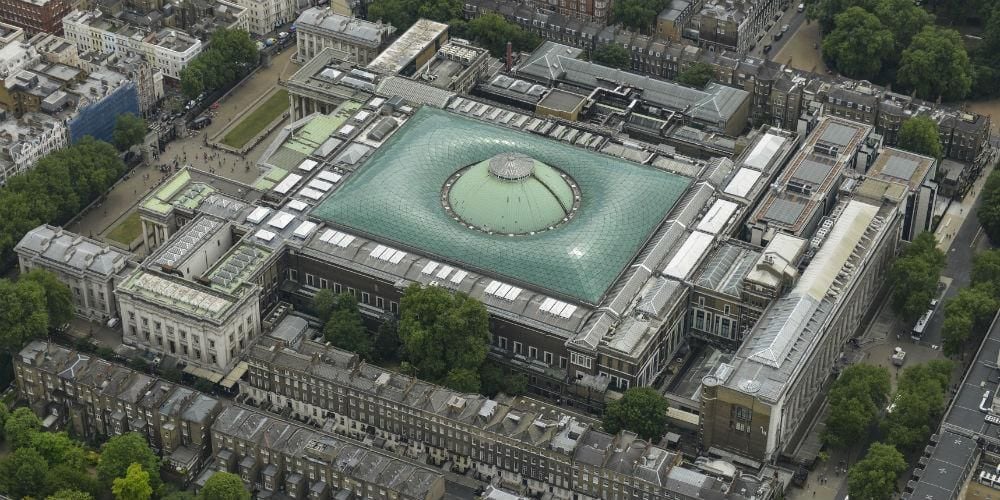
- Entry to the Museum is via the Main entrance on Great Russell Street or the Montague Place entrance.
- If you require more information on accessibility for disabled visitors, please see our Accessibility at the Museum page for details.
Accessibility
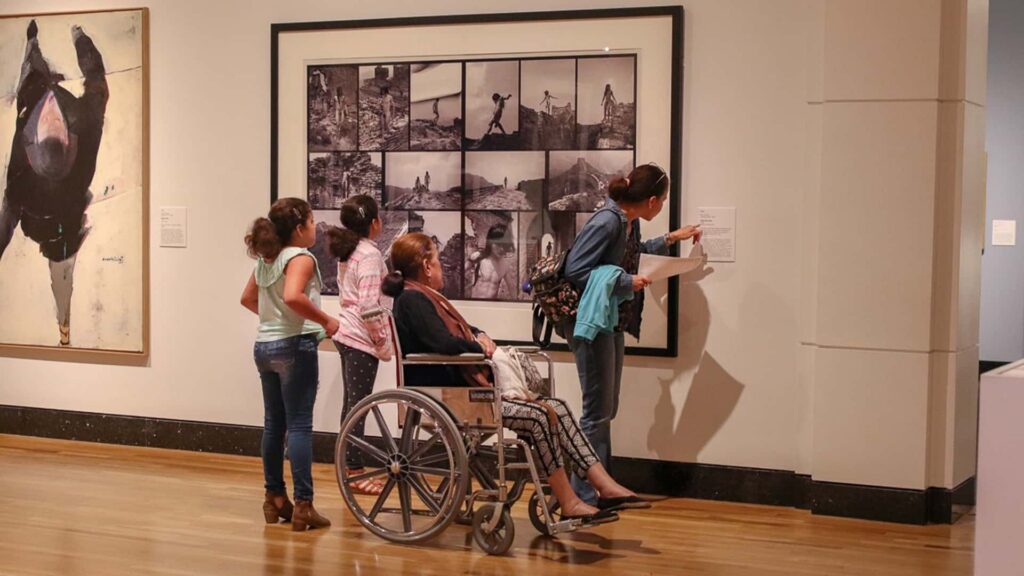
We have a wide range of services for disabled visitors.
Find out how to make the most of your visit and plan your trip in advance on our Accessibility at the Museum page.